

A steady comfort plan starts with clear timing, simple choices, and a practical path that favors upkeep before crisis. We frame projects around the whole system, from airflow to controls, so fixes stick and energy waste drops. Picture a checkup that catches small issues early. We use easy explanations to help you decide what to do now and what to schedule later. Quick, well-timed moves can outrun more expensive work. Whether you manage a home or a small shop, you can keep surprises in check with a short, repeatable routine. We’ll map tasks, materials, and quality guardrails so you know what matters today. To set expectations, we touch on timelines, parts, testing, and ongoing checks through a lifecycle lens. If you need fast help or regular hvac service, these ideas show how to plan, compare, and move with confidence. You’ll finish with a clear list and fewer unknowns.
Choose quick wins now, defer big moves for later
Start with a short walkthrough and a direct list: rooms that struggle, noises, and hot spots during winter. We sketch a light load map, ac repair then rank what should happen before heat waves or freezes. A five-minute filter check sets a simple baseline. Next, we add thermostat behavior, breaker history, and any vents you always shut or tape. These tiny clues guide the order of work. If a bedroom lags on humid days, note it for airflow tests and a duct peek. When symptoms cluster, a targeted ac repair often makes the biggest early impact.
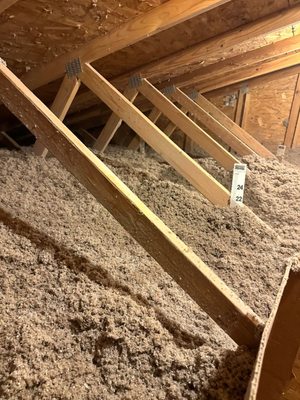
Write the plan short and visible. Try a one-page sequence: inspect, test, tune, confirm. We schedule a 30-minute check, then a 60-minute tune slot, with a buffer for parts. In a daycare, schedule nap-hour checks to reduce disruptions. Calm pacing cuts rework. If a storm’s coming, lock in quick tests today and deeper work next week.
Choose materials that favor long life and simple upkeep
Start with filters that meet the system’s static pressure, not just a lofty MERV number. We compare thickness, frame strength, ac repair and the blower’s tolerance for added resistance. Overspec filters can starve airflow. For belts, match profile and tension to the exact pulley set; note wear dust near housings. Use manufacturer charts for coils and Txv parts. Quieter outcomes usually come from proper size, not upsizing.
Gas heat adds safety steps and specific components. Cracked hoses or a tired igniter can mimic bigger problems. In that case, targeted tests often beat guesses and speed resolution. A short visit can solve furnace repair by replacing a sensor and resealing. For sensors and boards, source parts that match firmware versions and staging logic. Snap photos and log part numbers for later. This prevents mix-ups and double orders.
Sequence tests and tasks for smooth handoffs and faster finishes
Start with light diagnostics that inform the day: thermostat verification, airflow clues, and refrigerant temps. We slot these in early, ac repair then stage deeper steps based on results. If static pressure spikes, pivot to ducts before coil pulls. Home settings often allow mid-morning checks while kids are at school. Studios like late-morning visits after quiet hours. Better timing trims disruption.
Cooling headaches tend to flare with humidity. Check the drain first; clogs can mimic breakdowns. If buildup is minor, clean and reset; then confirm subcool and airflow. A focused test plan can resolve air conditioning repair in one visit with a trap, a flush, and a tune. For light commercial suites, block time in 90-minute slabs so tenants can plan. Hold a buffer to cover parts and confirmation tests. Small buffers prevent schedule dominoes.
Build safety into every test for steadier results
Quality grows from repeatable checks. Measure, don’t guess. We log temps, pressures, and static readings, ac repair then attach quick photos of access panels and drains. A two-minute photo prevents a twenty-minute debate later. For homes, include a note on pet hair or recent construction dust. For studios, note equipment access paths and clearance. Tiny notes stop big delays.
Safety steps come first. Shut off power and gas as required, tag, and verify. Use a manometer, a leak detector, and insulated tools. A documented checklist makes handoffs easy. If work repeats, a standard visit format keeps quality steady for each tech. The same structure boosts hvac service consistency across rotating teams. Consistency builds trust and smoother approvals.
Prioritize fixes that lower risk, then fund nice-to-haves
Start with a short pie chart: safety, performance, and comfort. We push dollars first to safety and airflow, ac repair then to controls that stabilize daily swings. Comfort upgrades stick better after basics are steady. If duct leaks are high, sealing beats accessories; then add balancing to end hot-and-cold room complaints. In a two-story home, one damper can change everything. Spend where risk drops fastest.
Plan parts with lead times in mind. Some boards ship slow; stash one if uptime matters. For small businesses, we split costs over months to match cash flow. A shoulder-season visit can defer heavy work to better pricing. Clear milestones reveal what to approve today. That approach converts surprises into calm tasks.
Reduce wear through airflow balance and gentle controls
Start with steady tasks: filters, drains, and light coil cleaning. We track a quick checklist, ac repair then set calendar nudges tied to usage hours. Short cycling signals airflow checks. Add gentle ramp profiles to reduce start-up stress where controls allow. For rentals, leave a one-page care sheet for tenants. Small habits stretch part life.
Some upgrades prevent repeat issues. Float switches stop messes and callbacks. If the home is nearing a remodel, plan for line set and load changes. That’s a good time to review air conditioning installation windows so the change lines up with construction. For older systems, add surge protection and confirm grounding. Document the baseline so future tests compare apples to apples. Measured moves outperform hurried changes.
Conclusion
A steady, lifecycle-first approach keeps projects calm, affordable, and effective. We scoped priorities, matched materials to real needs, sequenced work to fit daily rhythms, and locked quality with simple checks. Then we aligned spending and maintenance so upgrades happen on your terms. Use tight routines and you’ll see steadier comfort, safer operation, and fewer surprises.