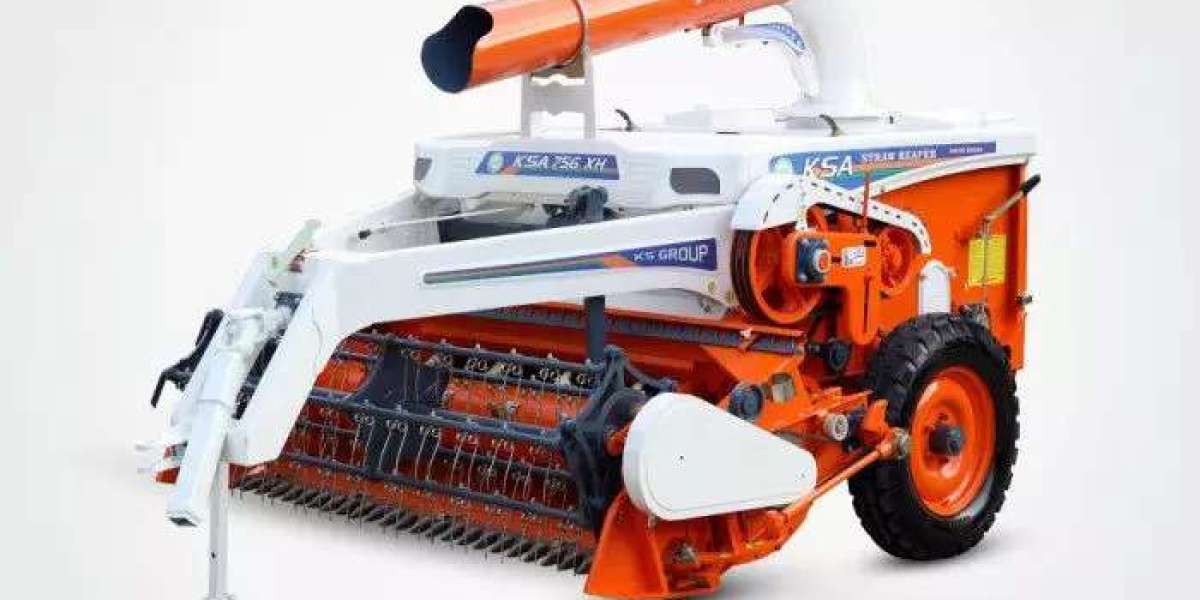
Introduction to Mini Combine Harvesters
Mini combine harvesters are compact, self-propelled machines revolutionizing harvesting for small and medium-scale farmers in India. These versatile devices integrate reaping, threshing, cleaning, and bagging grains in one operation, ideal for crops offering models suited to fragmented Indian farmlands.
Key Features of Mini Combine Harvesters
Modern mini combines feature 76-101 HP engines, cutter bars from 7-14 feet, and advanced threshing systems like axial flow or straw walkers for minimal grain damage. They include heavy-duty gearboxes, power steering, large grain tanks (up to 1600 liters), and fuel-efficient designs. Track or crawler options excel in wet, muddy fields, while multi-crop compatibility handles diverse produce. Safety elements like dust removal systems and easy maintenance enhance usability.
Benefits for Small Farmers
These machines drastically cut labor dependency, addressing shortages during peak seasons, and reduce costs through efficient fuel use and low maintenance. They minimize grain loss, boost yields, and allow timely harvesting to prevent weather damage. Compact size enables navigation in small, irregular plots common in India, preserving soil health by reducing compaction. Farmers gain higher productivity, better grain quality, and eligibility for subsidies.
How Mini Combine Harvesters Work
The process begins with a wide cutter bar slicing crops, followed by conveyance to the threshing drum where grains separate from straw via rotors or walkers. Cleaning fans remove chaff, and clean grains collect in tanks or bags. Models achieve 1-1.5 acres per hour, with adjustable speeds for varied terrains, ensuring clean, unbroken output.
Popular Models and Conclusion
Top models include Preet 849, Kartar 4000, Dasmesh 3100, and Kubota HARVESKING, priced affordably with loan options. Mini combine harvesters empower small farmers by enhancing efficiency, profitability, and sustainability in Indian agriculture's evolving landscape.