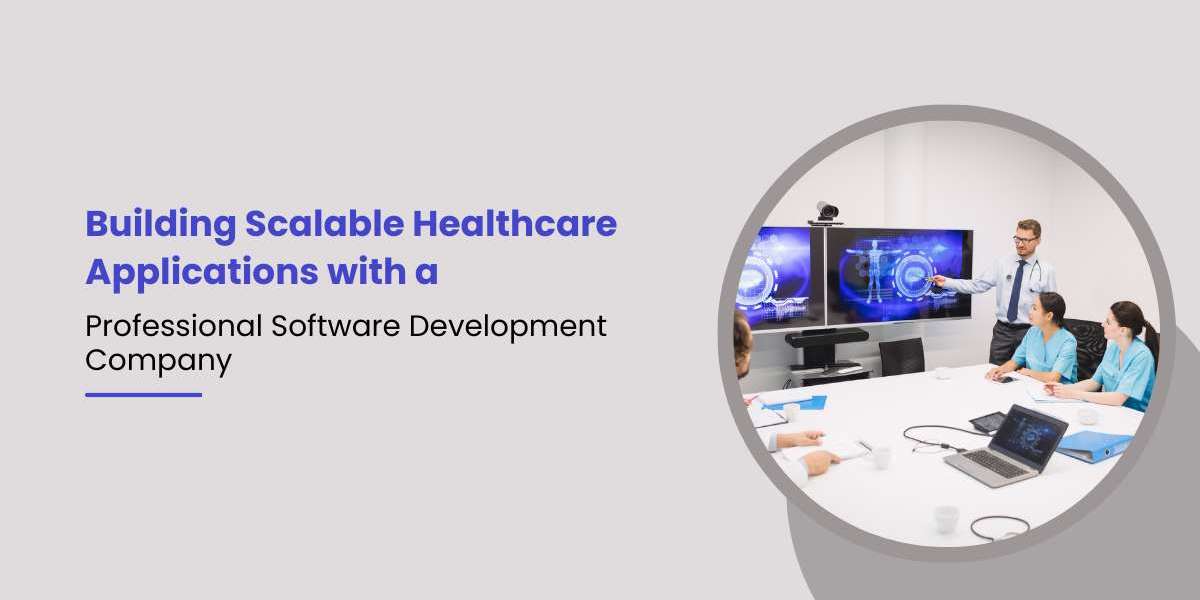
The healthcare sector depends on digital systems that support high patient loads and strict regulatory needs. Rising demand for digital care solutions continues to push organizations toward advanced platforms that support scale, stability, and secure data exchange. Recent industry research shows that healthcare software adoption grew by more than 25% in the last two years, while 69% of hospitals plan to increase investments in digital care tools by 2026.
A Healthcare Software Development Company helps providers, payers, and diagnostic centers build systems that respond to growing patient expectations. These organizations also ensure compliance with laws, strong security, and long-term scalability.
The Need for Scalable Healthcare Applications
High Patient Volumes
Healthcare systems manage rising user loads as more patients use digital tools. Platforms must handle thousands of concurrent sessions without failure. A scalable design keeps performance stable as traffic grows.
Regulatory Pressure
Most regions follow strict rules such as HIPAA, GDPR, or local health data standards. Scalable healthcare platforms store and transmit sensitive data without performance issues.
Growing Data Complexity
Electronic health records, sensor data, lab results, and medical images create high data volume. A scalable application processes this information in real time.
Shift Toward Remote Care
Telehealth use has increased by nearly 38 times since early 2020. This rapid shift requires systems that support video sessions, remote monitoring, and secure communication.
Role of a Healthcare Software Development Company
A Healthcare Software Development Company builds and maintains digital systems that support care delivery. These companies combine technical knowledge with deep health domain expertise.
Key responsibilities include:
- Designing scalable architectures
- Ensuring privacy and data protection
- Integrating EHR systems and third-party services
- Developing mobile and web interfaces
- Improving performance and reliability
- Supporting long-term upgrades
Their work forms the foundation for safe, fast, and reliable healthcare platforms.
Core Features of Scalable Healthcare Applications
Modular Architecture
A strong architecture supports growth. Modular systems allow teams to expand features without touching core functions. Microservices work well here because services operate independently.
Cloud-Native Design
Cloud infrastructure supports dynamic scaling. It adds resources during peak hours and reduces them during low activity. These systems improve cost efficiency and performance.
Strong Data Security
Healthcare data is sensitive. A secure system includes:
- Data encryption
- Role-based access
- Audit logs
- Multi-factor authentication
- Secure APIs
A Healthcare Software Development Company plans these protections from the start.
Interoperability Support
Hospitals use various tools. Some run legacy systems. Others have new digital systems. Interoperability features allow them to share data across EHRs, labs, pharmacies, and imaging centers.
High Availability
Scalable systems remain available even during failures. Redundant servers, distributed storage, and automated failover protect applications during outages.
Key Development Stages
Requirement Analysis
Teams gather clinical, functional, and technical requirements. This includes compliance needs and expected user loads.
System Architecture Planning
Architects design the platform structure. They prepare cloud strategies, integration points, and security layers.
UI/UX Development
Healthcare users need simple interfaces. Designers create clean layouts that support fast navigation.
Backend Development
Developers write code for scheduling, EHR integration, patient records, billing, analytics, and clinical workflows.
API Integration
Healthcare systems need continuous data exchange. APIs connect EHR systems, labs, pharmacies, and wearable devices.
Testing
Teams test performance, security, and compliance. Stress tests show how the system responds to high traffic.
Deployment and Monitoring
After deployment, DevOps teams monitor system health and usage patterns.
Also Read: How Healthcare Software Development is Transforming Patient Care in 2025
Technical Foundations of Scalable Healthcare Software
Microservices
Microservices split systems into smaller units. Each service performs a single task. This design improves updates and prevents complete system failure during errors.
Event-Driven Architecture
Event-driven systems process data in real time. For example, when a lab uploads a result, the system triggers notifications instantly.
Containerization
Containers improve portability and reduce deployment risks. Tools like Docker and Kubernetes allow fast scaling.
Load Balancing
Load balancers spread requests across servers. This prevents server overload.
Caching
Caching reduces load on databases. It stores frequent data temporarily. This improves response time.
NoSQL Databases
Healthcare applications handle unstructured data like scans or sensor readings. NoSQL databases support this data efficiently.
Security and Compliance
A Healthcare Software Development Company ensures strong compliance support. Security is built into every part of the system.
Important measures include:
- Encrypted databases
- Secure backups
- Data masking
- API gateway protection
- Secure firewall rules
- Compliance reporting
Regulations such as HIPAA, HL7, FHIR, GDPR, and HITECH guide design choices.
Integration Capabilities
EHR and EMR Systems
Applications must connect with platforms such as Epic, Cerner, Allscripts, or custom hospital systems.
Diagnostic Devices
Modern devices send patient data automatically. Integration reduces manual entry and errors.
Pharmacy Systems
Pharmacy integration supports e-prescriptions, stock checks, and medication history.
Billing Tools
Insurance claims and billing must sync with care records.
Wearables
Wearable health devices track real-time metrics. These readings support proactive care.
Scalability Challenges
Legacy Systems
Hospitals use old systems that cannot scale well. Migrating them requires careful planning.
Security Risks
More users increase the attack surface. Teams must upgrade protection regularly.
Real-Time Data Load
Patient monitoring, telehealth, and AI results increase data traffic. Systems must handle such loads without lag.
Interoperability Gaps
Different hospitals follow different formats. Standardization becomes necessary.
How a Healthcare Software Development Company Solves These Challenges
Advanced Technology Stack
Teams choose stable frameworks that support performance and growth.
Custom Architecture
Every hospital has different needs. Companies design custom systems that match clinical workflows.
DevOps and CI/CD
DevOps practices enable fast deployment and regular feature updates.
Performance Optimization
Engineers monitor CPU use, memory use, and network load to keep systems stable.
Data Engineering Expertise
Companies optimize storage, indexing, and queries for large healthcare datasets.
Real Examples of Scalable Healthcare Applications
Telehealth Platforms
Modern telehealth systems support thousands of video calls and patient chats every day. They scale with load and provide stable sessions.
Remote Monitoring Systems
Wearable devices send vital signs to the cloud. Doctors receive alerts when values change.
Clinical Workflow Tools
Hospitals run scheduling, prescriptions, and nursing workflows from a single dashboard.
AI-Powered Diagnostic Tools
AI models process scans or readings. These tools require high compute capacity.
Future Trends in Healthcare Application Scalability
AI and Predictive Analytics
AI systems need fast data processing. Scalable infrastructure supports heavy workloads.
FHIR Adoption
FHIR improves data exchange. More systems will adopt these standards.
Edge Computing
Edge devices process data near the patient. This reduces cloud load and increases speed.
Digital Twins for Healthcare
Digital twin models simulate patient conditions. They require advanced computing power.
Hybrid Cloud Architectures
More hospitals use hybrid clouds for better control and flexibility.
Conclusion
Scalable healthcare applications bring stability, faster performance, and better patient outcomes. A Healthcare Software Development Company builds these systems with strong architecture, secure data handling, and advanced integration support. With rising patient demand and growing digital adoption, healthcare organizations need systems that support expansion and heavy workloads. A professional Healthcare Software Development partner ensures that applications remain reliable, secure, and ready for future needs.