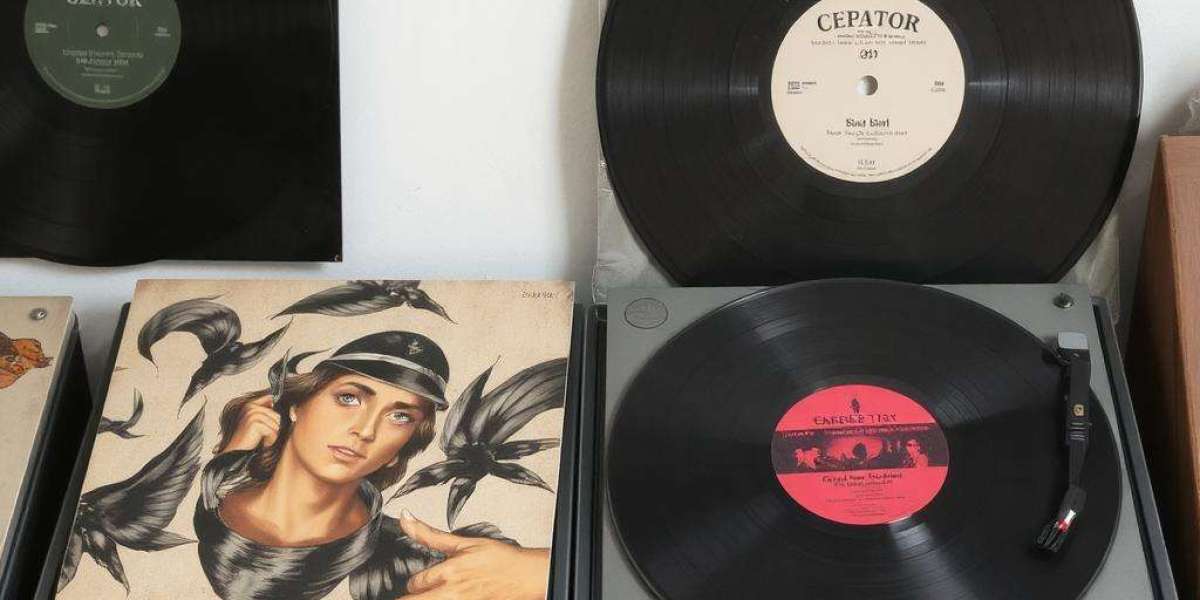
Collecting Indian vinyl records can be an exciting journey, but understanding how to evaluate their condition is essential for ensuring quality and long-term value. From classic Bollywood albums to rare regional soundtracks, the condition of a vinyl record can significantly affect both its sound quality and market price. Many beginners struggle with identifying scratches, understanding wear, and grading records properly. Learning these skills helps collectors make informed decisions, avoid costly mistakes, and preserve the legacy of Indian music stored in these timeless discs. In 2025, as vinyl culture grows in India, accurate grading has become more important than ever for sellers, buyers, and enthusiasts.
Detecting scratches on a vinyl record requires patience, good lighting, and a clear understanding of what to look for. Vinyl surfaces can show many types of marks, from faint hairlines to deep gouges. The first step is always to hold the record under a bright light and tilt it slowly. This allows the grooves to reflect light and reveal imperfections. Hairline scratches are very thin marks that usually do not affect playback. These are common in older Indian records because of frequent handling without proper inner sleeves. In most cases, hairlines produce minimal noise and do not cause skips. However, heavy hairlines or clusters of them may slightly impact sound quality, especially in quieter songs.
More serious damage includes deeper scratches, which are visible even without direct light. These can cause clicks, pops, or in some cases make the needle jump. Deep scratches often appear as straight lines across multiple grooves. Indian vinyl from the 70s and 80s, pressed during mass production periods, sometimes developed groove wear due to repeated play on old, heavy turntables with worn-out styli. Groove wear is different from scratches as it affects the shape of the groove itself and results in distortion, sibilance, and loss of clarity. It may not always be visible, so listening tests become important for accurate grading.
Apart from scratches, collectors also check for scuffs. Scuffs usually come from sliding the record in and out of paper sleeves, especially the thin paper used in many old Bollywood records. While scuffs look cloudy or streaky, they often do not affect sound unless they are very prominent. Rings on the label or sleeve, known as ring wear, are signs of improper storage. Though these do not affect playback, they reduce the cosmetic grade of the album. Warping is another issue where the vinyl bends due to heat or poor storage. Minor warps may not affect playback, but major ones can cause the needle to skip or distort sound.
Once the record’s condition is understood, grading it correctly is the next step. The most widely used system is the Goldmine Standard, followed globally by collectors and sellers. In India, many sellers use informal descriptions, which can cause confusion. Learning proper grading helps buyers trust what they are purchasing. A Mint record means it looks untouched, though true mint copies of old Indian pressings are extremely rare. Near Mint indicates a record that appears almost new with only very minor signs of handling. Many collectors aim for Near Mint because it offers excellent sound with minimal flaws.
Very Good Plus is a common grade where the record may show light marks or hairlines but plays well with little surface noise. Most vintage Indian records fall into this category because they were played regularly in households. Very Good grade means there are visible scratches and noticeable noise during playback, though the record remains enjoyable. Good and below usually indicate heavy wear, deep scratches, and noise that affects the listening experience. While some rare Bollywood or regional albums may still have value in lower grades due to scarcity, collectors generally prioritize sound quality when possible.
Listening is just as important as visual inspection. A record might look clean but still suffer from groove wear or pressing defects. Playing a record from lead-in to lead-out helps detect distortion, skips, and background noise. Indian vinyl from earlier decades sometimes has factory pressing issues, especially off-center holes or uneven surfaces, which can affect pitch stability. Detecting these problems requires both a trained ear and familiarity with how vinyl should sound on a properly set up turntable.
Correct grading also involves the condition of the album cover. Classic Bollywood covers were often printed on thin cardboard that aged quickly. Torn edges, fading, writing, and ring wear lower the overall grade of the album. A record with a strong cover and clean vinyl holds more value than one that is sonically good but visually damaged.
In the growing world of Indian vinyl collecting, learning to detect scratches and grade records accurately ensures fairness, transparency, and trust within the community. Whether you are a beginner building your first collection or an experienced seller handling rare soundtracks, these skills make the difference between an average collection and a truly valuable one.
Bollywood Vinyl Records Classical Vinyl Records Devotional Vinyl Records Dialogue Vinyl Records Dj Lp Records English Vinyl Records Film Hits Vinyl Records Ghazals Vinyl Records Instrumental Vinyl Records Non Vinyl LP Punjabi Vinyl Vinyl Rare Vinyl Records Indian Vinyl Records Char Dham Hotels & Accommodation Murti & Idols Shop Online Char Dham Yatra Yamunotri Temple Kedarnath Temple Badrinath Temple Gangotri Temple Uttarakhand Tourist Places List Hotels in Auli Hotels in Badrinath Hotels in Barkot Hotels in Bhojwasa Hotels in Chakrata Hotels in Chamba Hotels in Chopta Hotels in Dehradun Hotels in Deoria Tal Trek & Camp Hotels in Devprayag Hotels in Dhanaulti Hotels in Gangotri Hotels in Karanprayag Hotels in Kanatal Hotels in Kalpeshwar Hotels in Joshimath Hotels in Jankichatti Hotels in Hemkund Sahib Hotels in Harsil Village Hotels in Haridwar Hotels in Har Ki Doon Hotels in Guptkashi Hotels in Govind Ghat Hotels in Gaurikund Hotels in Sitapur Hotels in Sersi Hotels in Rudraprayag Hotels in Rishikesh Hotels in Ranachatti Hotels in Pipalkoti Hotels in Phata Hotels in Pandukeshwar Hotels in New Tehri Hotels in Mussoorie Hotels in Kedarnath Hotels in Kedarkantha Hotels in Yamunotri Hotels in Valley of Flowers Hotels in Uttarkashi Hotels in Ukhimath Hotels in Trijuginarayan Temple Hotels in Tilwada Hotels in Tehri Dam Hotels in Syanachatti Hotels in Srinagar Hotels in Sonprayag