
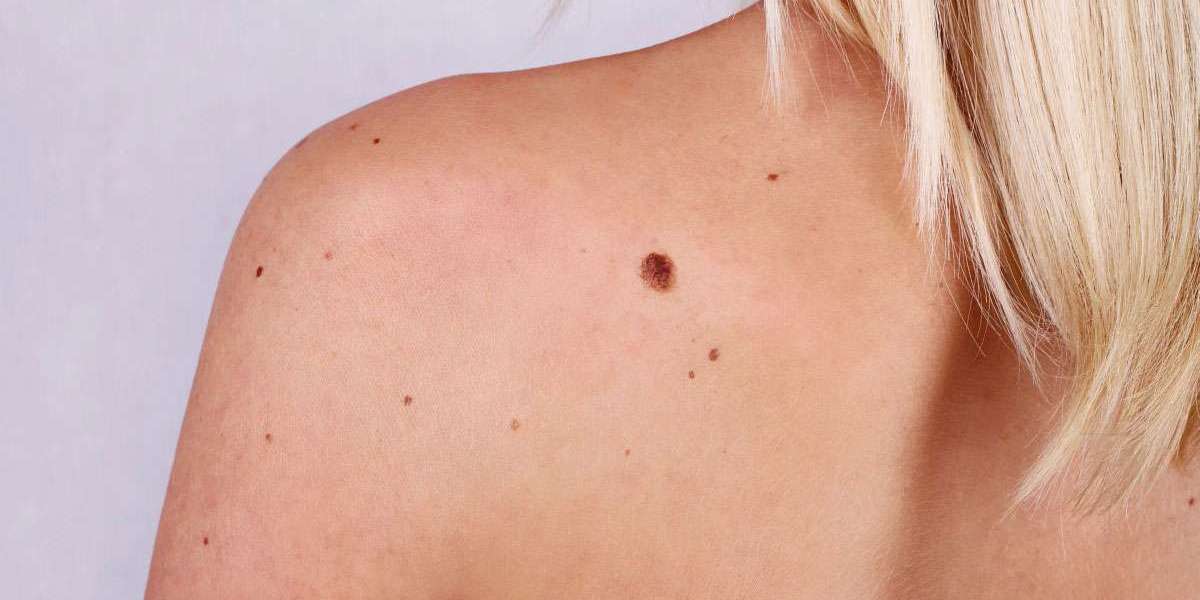
Skin tags are small, soft, benign growths that often appear on areas of the body where skin rubs against skin or clothing. Although harmless, their appearance can be bothersome, and many people are concerned about whether they can spread to others. This raises an important question: Are Skin Tags Contagious? In this article, we explore the causes, symptoms, prevention tips, and safe ways to manage skin tags, helping you care for your skin with confidence.
What Are Skin Tags?
Skin tags, medically called acrochordons, are harmless skin growths that typically hang from the skin by a thin stalk. They are usually flesh-colored but can occasionally appear slightly darker.
While skin tags are painless, friction from clothing, jewelry, or skin folds may irritate them. Sizes can vary from a few millimeters to over a centimeter, and they can appear alone or in clusters. Despite their benign nature, many people seek information on whether skin tags can spread to others, highlighting the importance of understanding their characteristics.
Common Signs and Symptoms
Identifying skin tags is usually straightforward. Key signs include:
Small, soft, flesh-colored or slightly darker bumps
Growths attached to the skin by a narrow stalk
Frequent locations include the neck, underarms, groin, eyelids, and under the breasts
Mild irritation or itching if rubbed frequently
Most skin tags are asymptomatic and harmless. However, any sudden changes in size, color, or shape should be evaluated by a dermatologist to ensure accurate diagnosis and treatment.
Causes and Risk Factors
Skin tags develop due to a combination of factors:
Friction: Skin rubbing against skin or tight clothing
Genetics: Family history increases likelihood
Age: Middle-aged and older adults are more prone
Hormonal changes: Pregnancy or hormone imbalances may trigger tags
Medical conditions: Obesity, diabetes, and metabolic syndrome are linked to higher incidence
Understanding these risk factors can help individuals manage skin tags effectively and prevent unnecessary worry about contagion.
Are Skin Tags Contagious?
The most frequently asked question is: Are Skin Tags Contagious? The answer is a definite no. Skin tags are not caused by bacteria, viruses, or fungi, meaning they cannot be transmitted from person to person.
Unlike warts, which are viral and can spread through direct skin contact, skin tags are benign overgrowths of skin tissue. They arise from internal factors such as friction, genetics, and hormones rather than infections. Misidentifying them with warts or moles can lead to confusion, so professional evaluation is recommended if there is any uncertainty.
Prevention and Care Tips
Even though skin tags are not contagious, proper care can prevent irritation and reduce the risk of developing new ones. Tips include:
Maintain good hygiene: Clean areas prone to friction regularly
Reduce friction: Wear loose-fitting clothing in areas where skin folds meet
Monitor changes: Check for any growth or irritation
Avoid self-removal: Cutting or pulling skin tags at home may lead to infection
Focusing on health and wellness through balanced nutrition, regular exercise, and managing conditions like diabetes can also reduce the likelihood of new skin tag formation. Good overall health supports healthy skin and reduces susceptibility to skin growths.
Medical Treatments for Skin Tags
If skin tags are bothersome, dermatologists offer safe and effective removal options:
Cryotherapy: Freezing the skin tag with liquid nitrogen
Excision: Cutting off the tag using sterile instruments
Cauterization: Burning the skin tag to remove it
Ligation: Tying off the base to cut off blood supply, causing it to fall off
Professional removal minimizes the risk of infection, scarring, or complications compared to home remedies. It is quick, effective, and usually performed in-office.
When to See a Dermatologist
Although skin tags are harmless, it is wise to consult a dermatologist if:
There is a sudden increase in the number or size of skin tags
Skin tags become painful, bleed, or change color
You are unsure if the growth is a skin tag or another lesion
Repeated irritation occurs from clothing or jewelry
Professional guidance ensures proper diagnosis, safe removal, and peace of mind, especially if the skin tag changes in appearance.
Safety Tips for Managing Skin Tags
Safe management involves:
Avoiding self-removal: DIY methods can cause infections or scarring
Keeping skin clean: Gently wash affected areas with mild soap
Reducing friction: Wear soft clothing or protective padding
Monitoring regularly: Check for any unusual changes in growth, color, or texture
These steps help maintain healthy skin and prevent complications, reinforcing the fact that skin tags are not contagious.
Conclusion
Skin tags are common, benign growths influenced by friction, genetics, age, and medical conditions. The answer to the question Are Skin Tags Contagious is clear — they cannot spread from person to person. Proper care, professional removal when necessary, and attention to overall health and wellness help reduce irritation, prevent complications, and maintain healthy skin.
By staying informed and practicing safe management, individuals can confidently handle skin tags without fear of contagion, protecting both their skin and overall well-being.